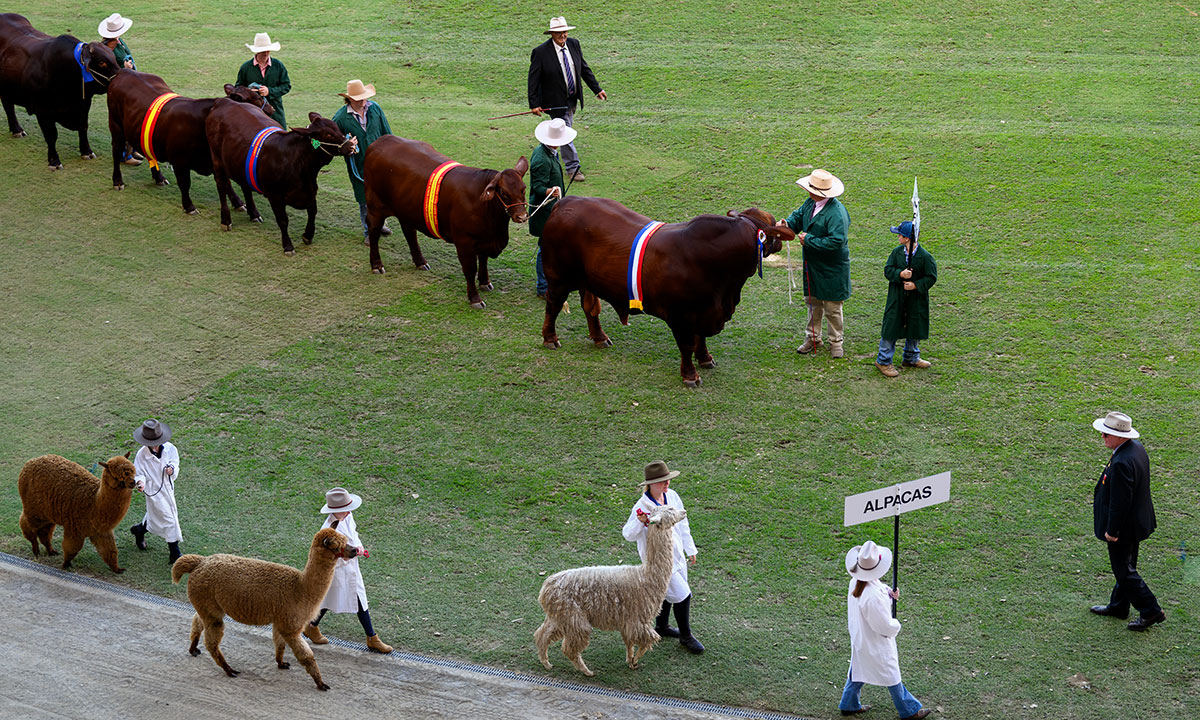
The Grand Parade stands as the showpiece of the Sydney Royal Easter Show, dazzling visitors with a vibrant display that celebrates rural achievement and agricultural excellence. This tradition is believed to be one of the first of its kind in the world, a testament to the enduring spirit of the Australian farming community and its connection to the heart of Sydney.
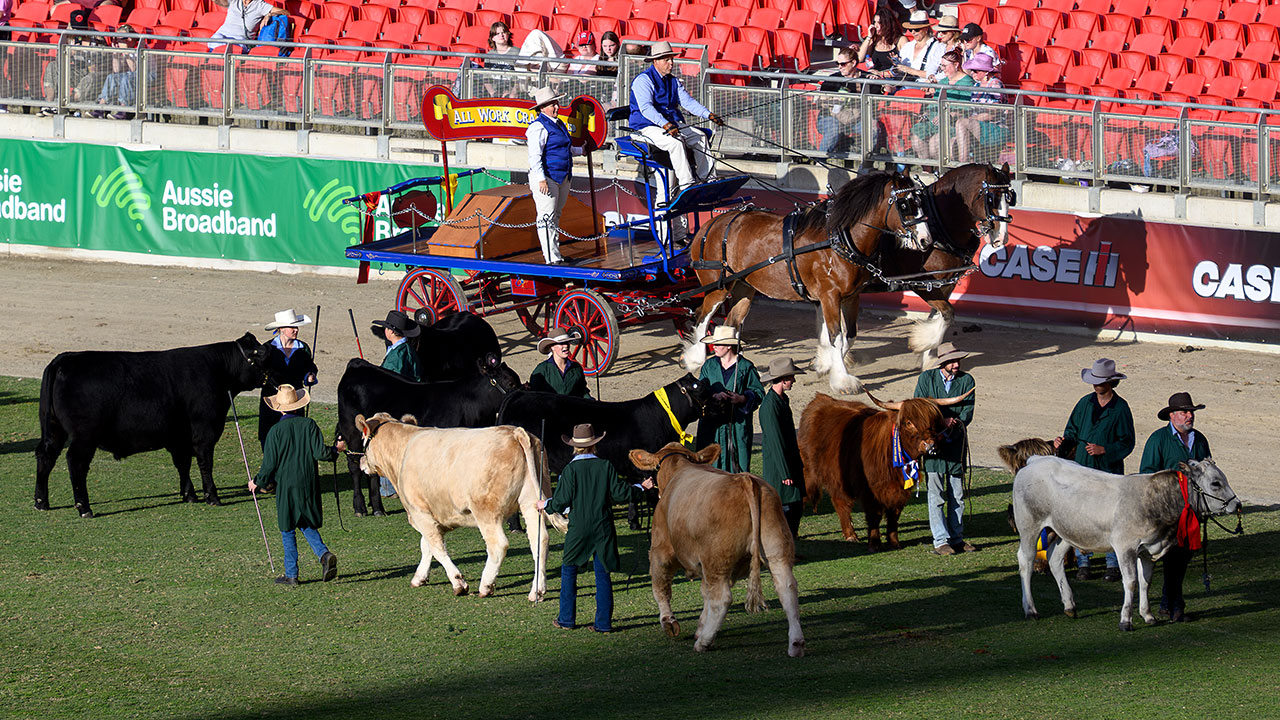
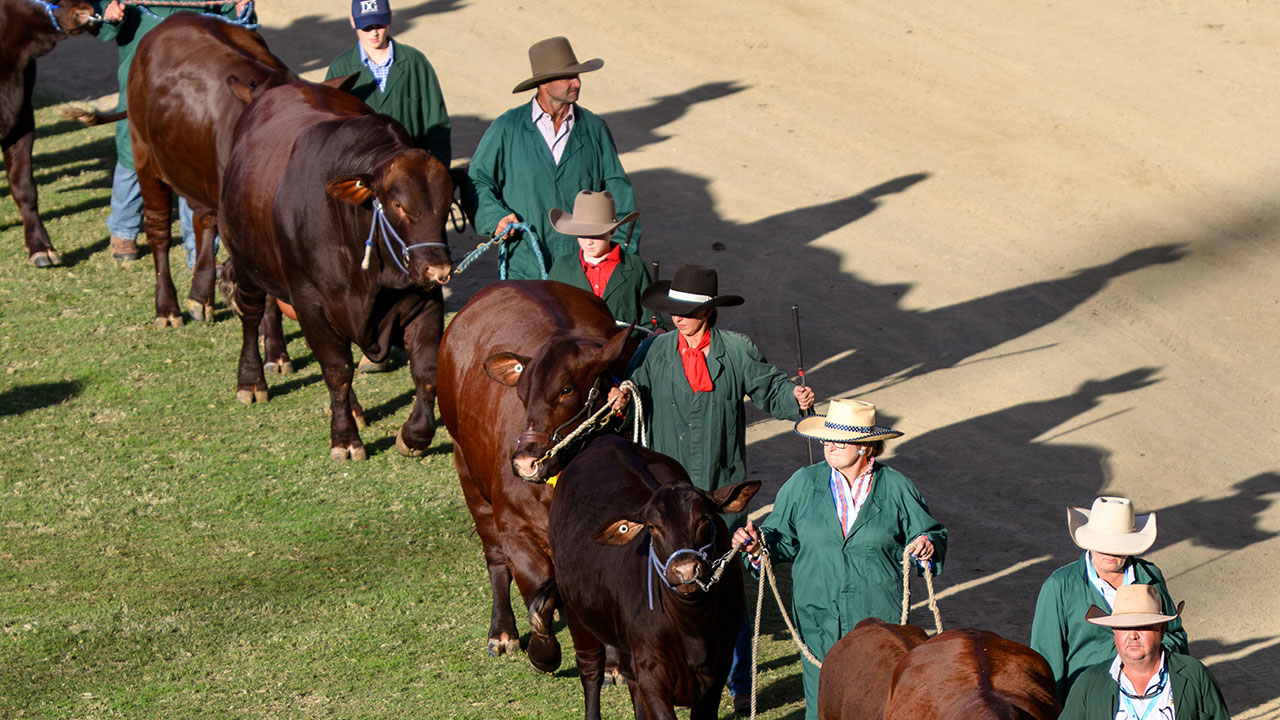
The origins of the Grand Parade date back to 1907, when for the first time, all prize-winning horses and cattle were gathered together for a collective parade in the main arena. The event quickly became the centrepiece of the show, growing in size and spectacle each year. Notable historical moments have marked its evolution – most famously in 1932, when cattle formed the shape of the newly opened Sydney Harbour Bridge, with the champion bull symbolically linking the two arches to represent strength and unity. As Australia changed, so too did the Grand Parade, reflecting significant national milestones and adapting to wider community trends.
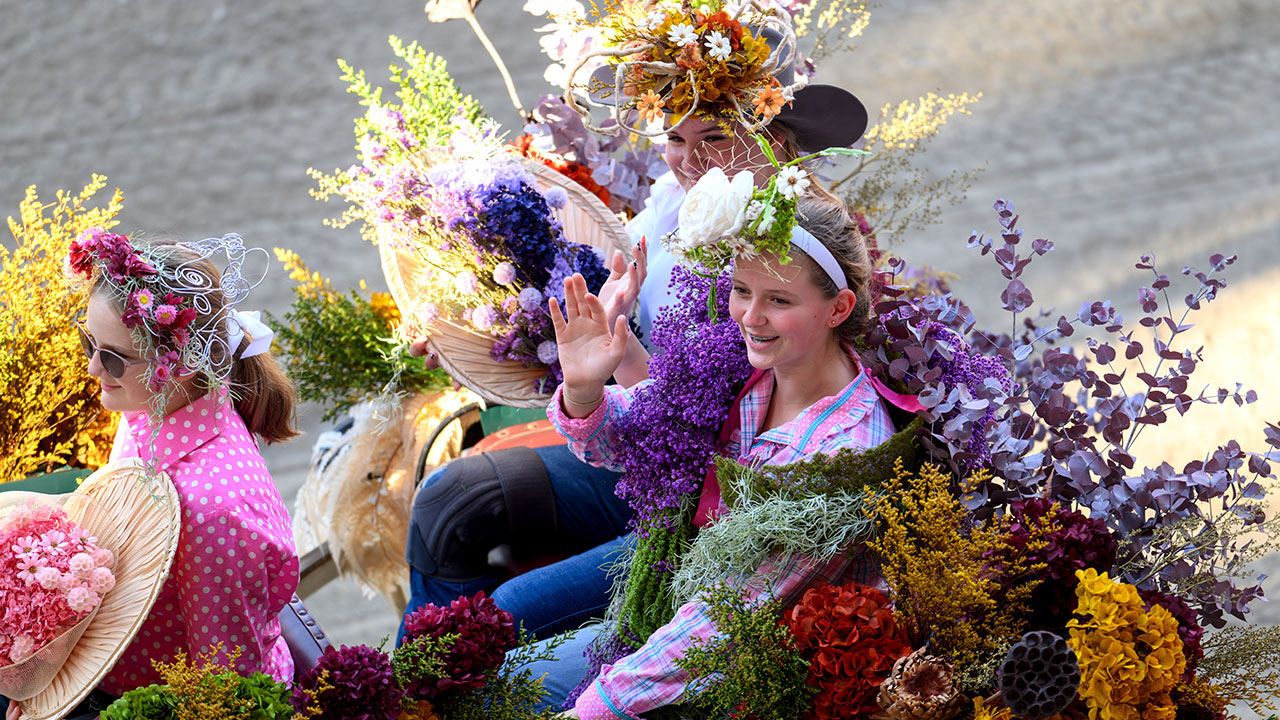
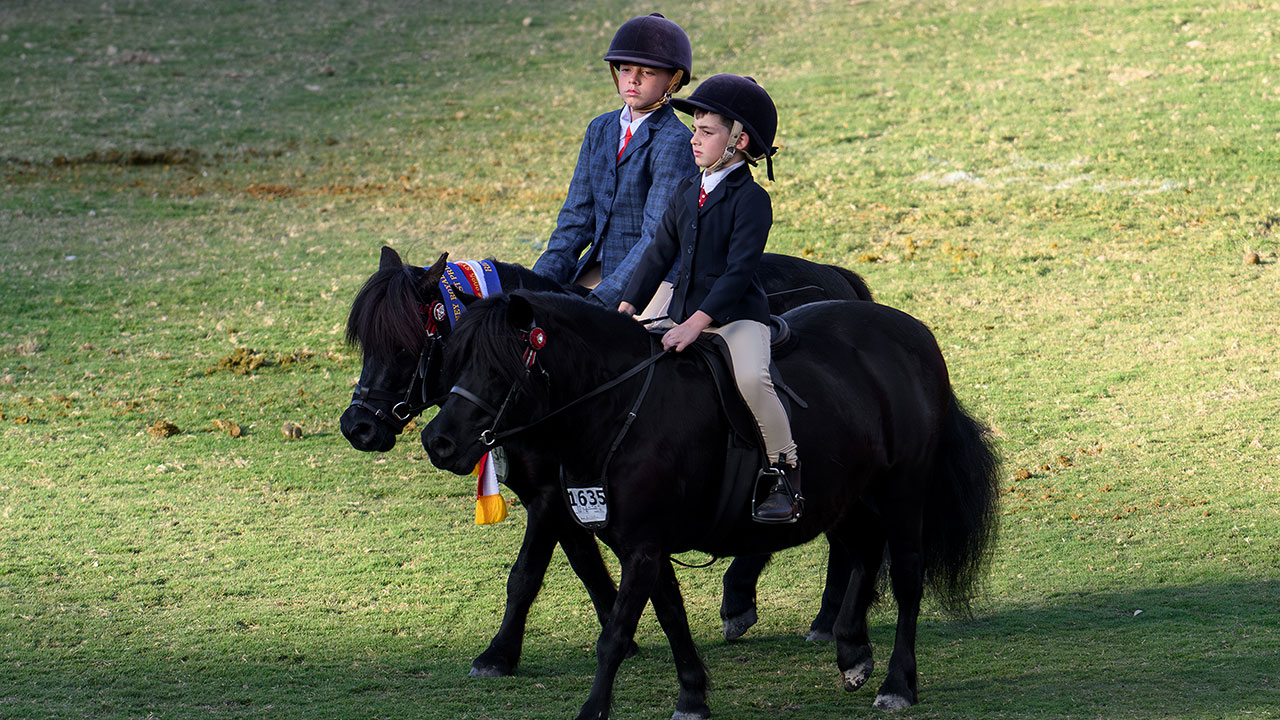
Initially exclusive to horses and cattle, the parade began to embrace even more diversity from 1947, when goats joined for the first time. Sheep made their debut in 1979, while alpacas and pigs followed in 1995. Over the years, other elements enriched the pageantry, including the ACCIONA Sydney Royal AgShows NSW Young Women (formerly Miss Showgirls), woodchoppers, sulkies, bakers’ turnouts and eventually even poultry, dogs and cats. The guiding presence of the Sydney Royal Horse Show Greencoats – skilled stewards on grey horses – ensures order and flow, but the grand ringmaster always maintains overall command, orchestrating the seamless choreography of this immense logistics feat.
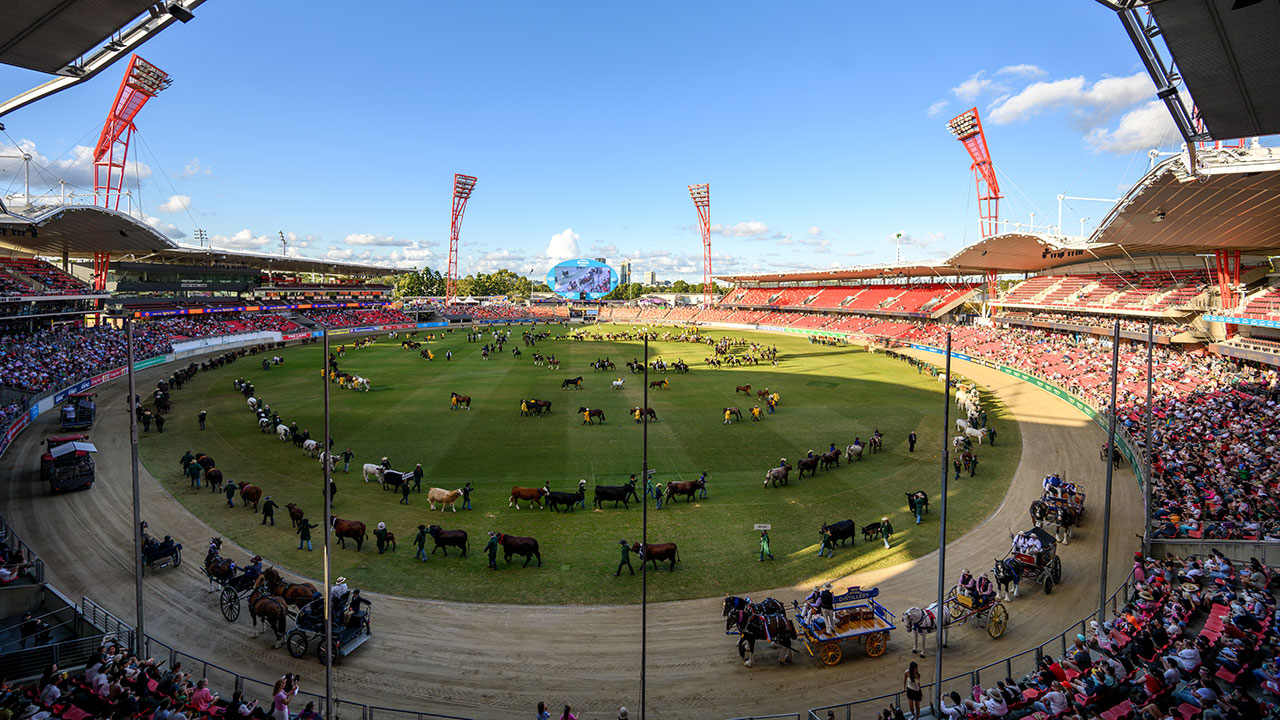
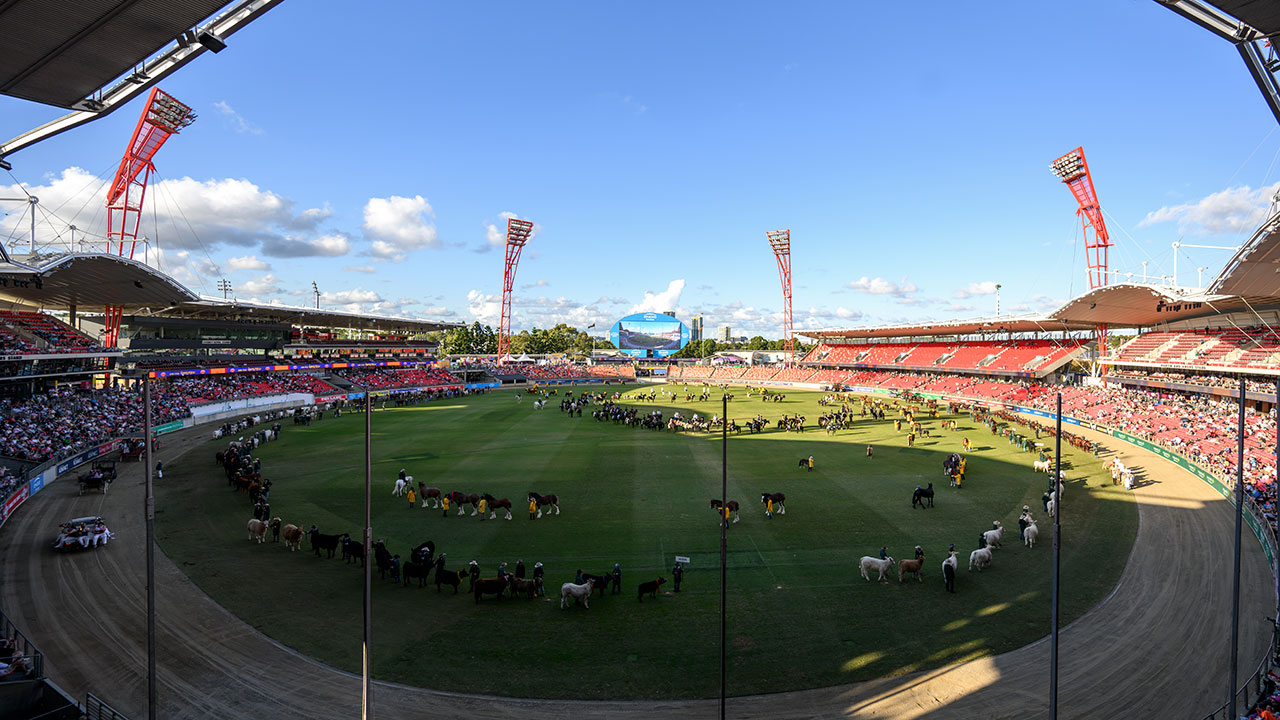
Today, the Grand Parade is a major highlight at the Sydney Royal Easter Show, celebrated in ENGIE Stadium and watched by thousands. It serves as a jubilant showcase of the best livestock exhibits from across the country – horses, beef and dairy cattle, pigs, alpacas, goats, sheep, poultry and various dog breeds all proudly parade as blue-ribbon winners. Participants also include champion woodchoppers, traditional surreys and carts such as the famous Belgenny Cart for horticultural displays, and vehicles carrying the finalists of the ACCIONA Sydney Royal AgShows NSW Young Woman Competition, Rural Achievers and Champions of the RAS.
The parade is scheduled to take place three times during the 2026 show:
The spectacle is led by the RAS ringmaster, currently Mr James Angus, alongside the esteemed Sydney Royal Horse Show Greencoats. Beyond the breathtaking array of animals and vehicles, the parade also symbolises the deep sense of community, achievement and tradition that makes the Sydney Royal Easter Show a must-see for visitors of all ages.
More than a century old, the Grand Parade continues to capture the imagination with its unique blend of history, spectacle and celebration of rural Australia. For families, history lovers, and agricultural enthusiasts alike, witnessing the Grand Parade offers a window into the enduring legacy of the nation’s farmers – and a truly unforgettable experience at the Sydney Royal Easter Show.